Aphasia Resources: Apps, Tools & Support Recommended By Our SLPs
These are tools and resources we actually use and recommend.
Some are ours. Most aren't. All of them are worth your time.
**This page contains affiliate links. As an Amazon Associate, I earn from qualifying purchases. This means I may earn a small commission if you purchase through my links at no extra cost to you.
Looking for Care Partner support? We built a space just for you. Click here.
For An Emergency
When something happens, the last thing you want to be doing is explaining aphasia. These tools make sure the right information is already in the right hands, before an emergency happens.
Aphasia ID Card
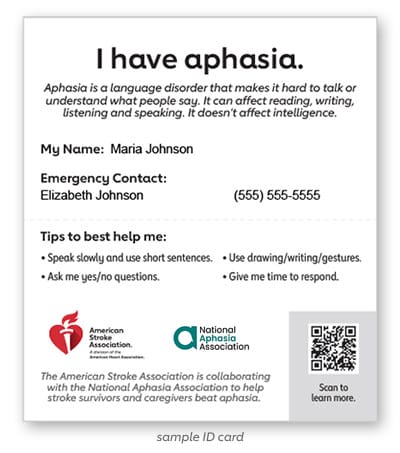
The American Stroke Association and the National Aphasia Association created this customizable card together.
Fill it out, print it, and keep one in your wallet, in your glove compartment with your insurance card, or around your neck when you're out. Take a photo and save it as a Favorite in your phone, for when you don't have the physical card on you.
It's one of the simplest things you can do and it matters a lot in the wrong moment.
Communication Impediment Notice (Driver's License)
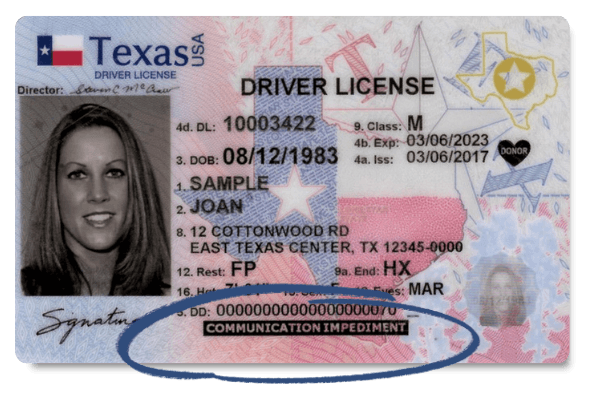
Many states allow you to add a communication impediment notice to your driver's license or state ID. It alerts law enforcement before they approach your vehicle that you may need more time to respond or communicate differently.
Search "[your state] communication impediment driver's license" to find out what your state offers and how to apply. Your doctor will typically need to sign off on a form.
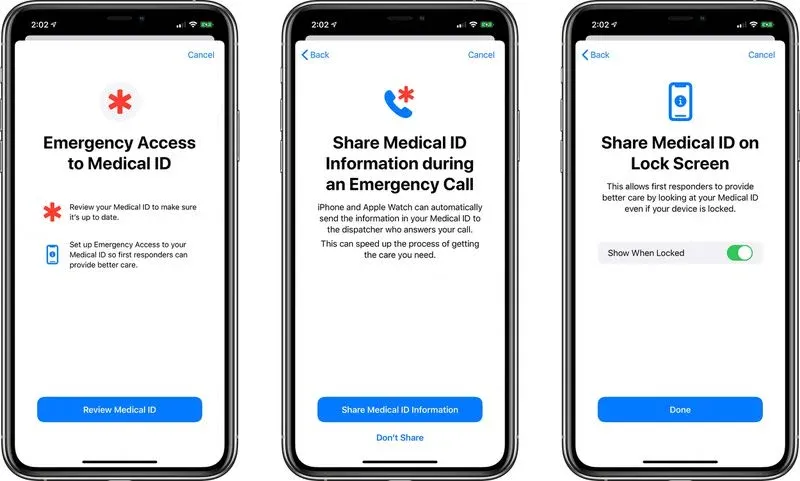
iPhone Medical ID
Open the Health app on your iPhone and set up your Medical ID. It's accessible from your lock screen in an emergency and gives first responders immediate access to your critical medical information without needing your passcode.
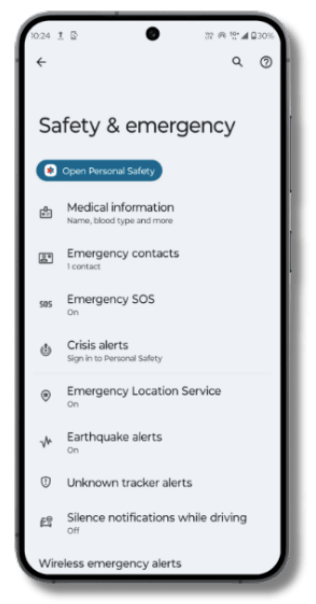
Android Health Connect
Android users can set up emergency medical information through Health Connect. Same idea. Make sure it's filled out and visible from your lock screen.
For Being Understood: AAC Apps For Aphasia
Aphasia doesn't change what you know or who you are. These augmentative and alternative communication (AAC) apps help close the gap between what you want to say and what comes out.

Grid Player App
An AAC app that lets you build sentences and have them spoken aloud. Designed for people who cannot speak or whose speech is difficult to understand.
Get It Here: Apple | Android

MedConcerns App
Helps people with communication disorders describe their medical needs to doctors using pictures, symbols, and spoken output. Especially useful for medical appointments. A free lite version is available.
Get It Here: Apple | Android
For Daily Practice: Aphasia Therapy Activities at Home
Rebuilding language after a stroke takes repetition. These tools make it easier to work on communication, word retrieval, and cognition in ways that feel less like drills and more like something you might actually want to do.


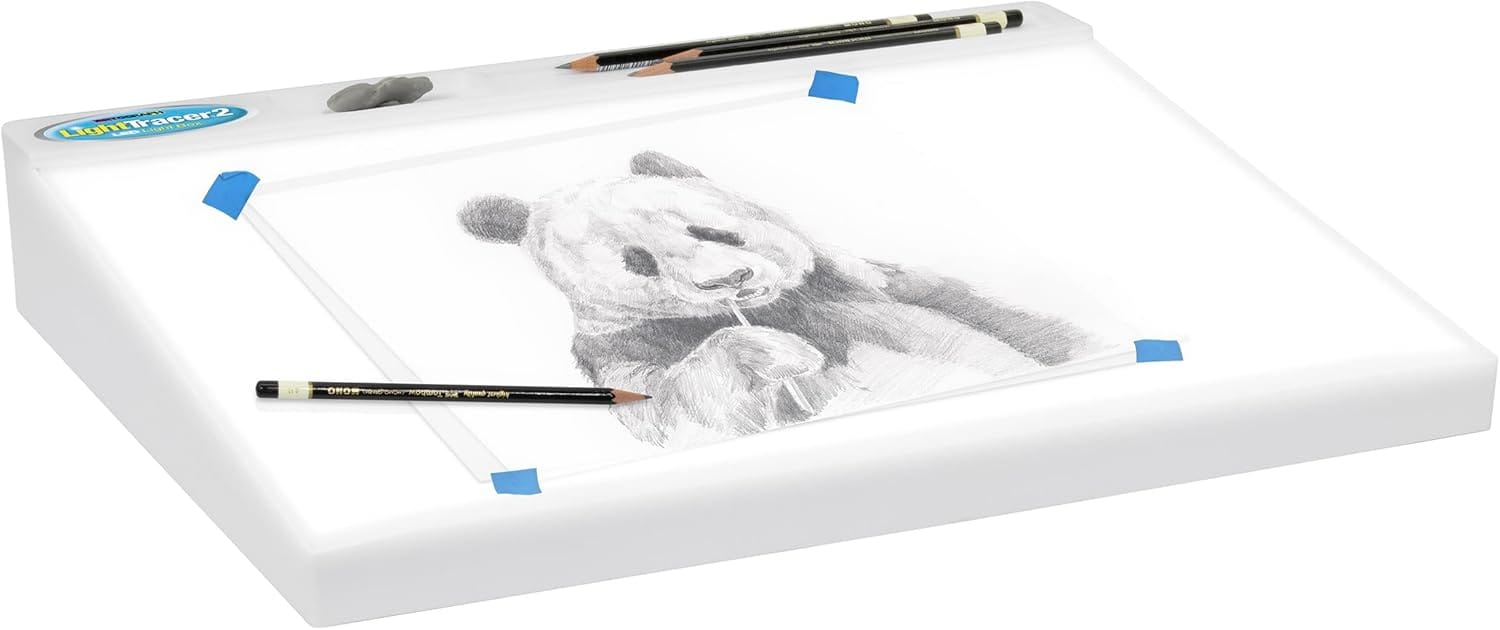
Light Box for Tracing
A light box used for tracing letters, words, and drawings. Useful for rebuilding handwriting and fine motor coordination.
Search Online or grab our favorite here.
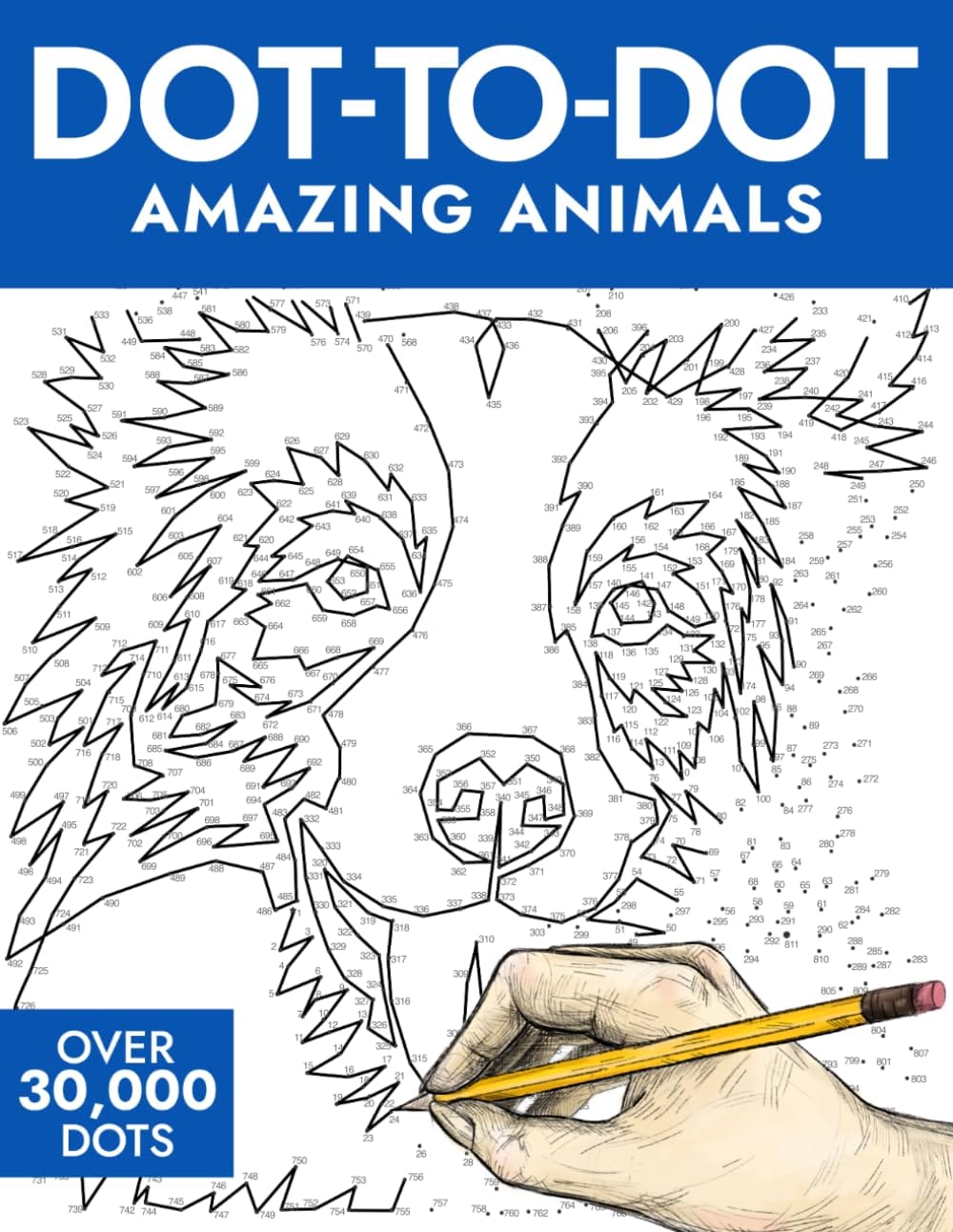
Dot-to-Dot Puzzles
Help with number recall, drawing lines, and focus. Available on Amazon in a range from easy to challenging.
Search Online or grab this one here.

Paint by Numbers
Good for organizing attention, managing visual complexity, and focusing on one task at a time. One tip: use a paper towel with a fist-sized hole torn in the middle. Lay it over the canvas to block out everything except the section you're working on. Paint one number at a time. It helps with staying focused and reducing visual overwhelm.
Search Online or grab this one here.
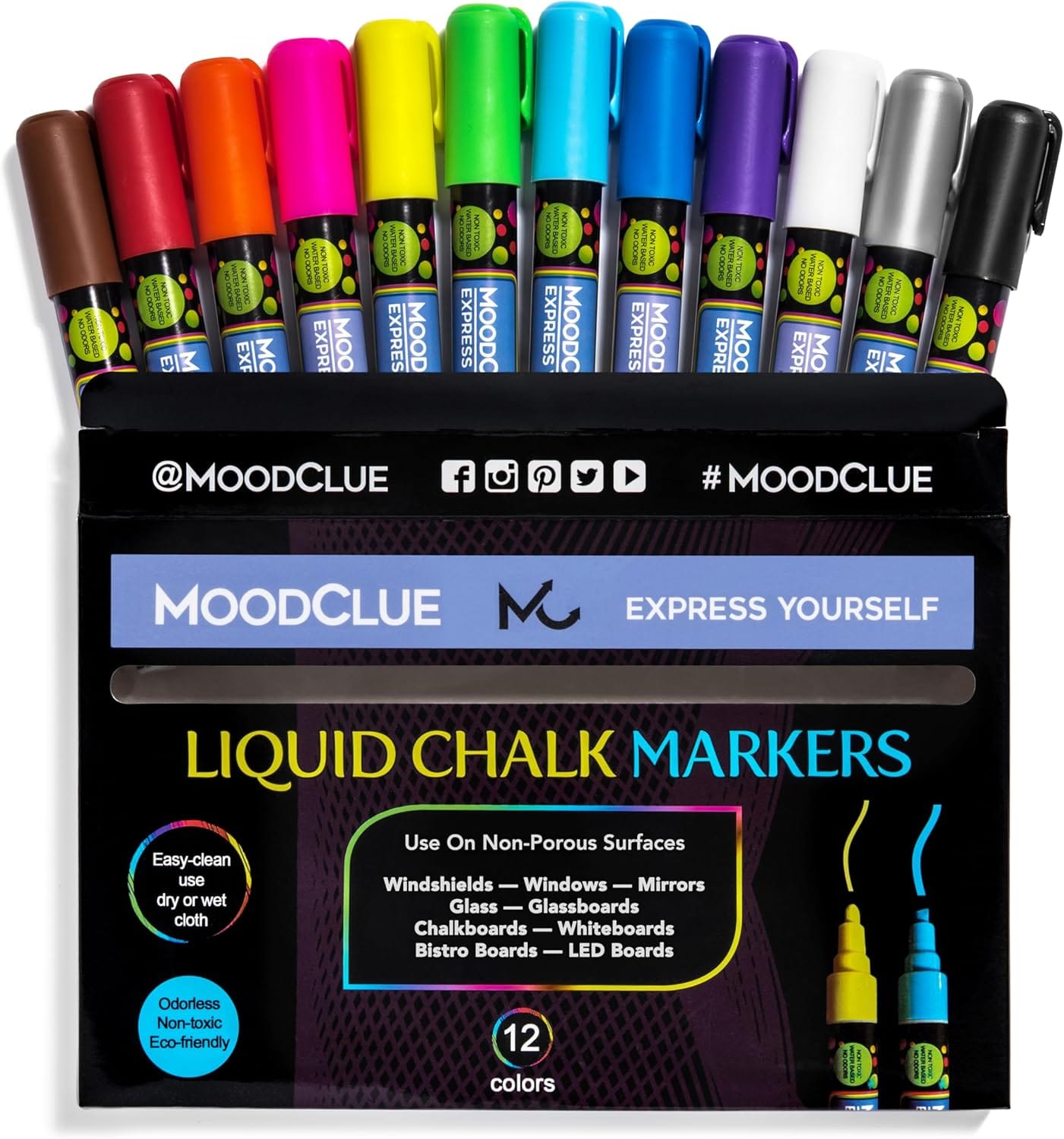
Mirror and Window Markers
Erasable markers for writing steps, reminders, or instructions on a bathroom mirror, shower door, or refrigerator. Helpful for keeping daily routines visible.
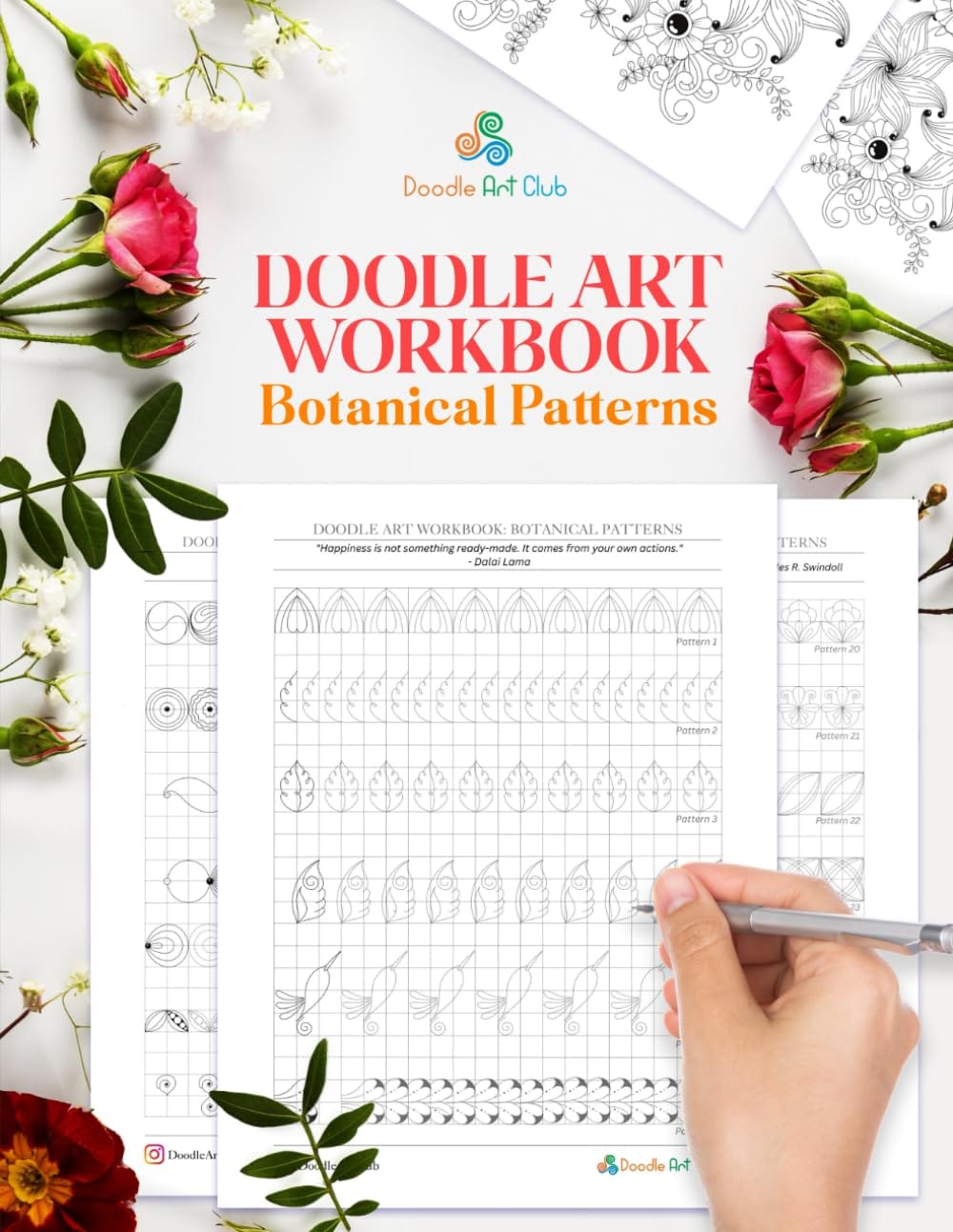
Doodle Art Workbooks
Useful for rebuilding handwriting and fine motor coordination.
For Your Comfort: Tools That Make Daily Life Easier with Aphasia
To make your daily life easier.
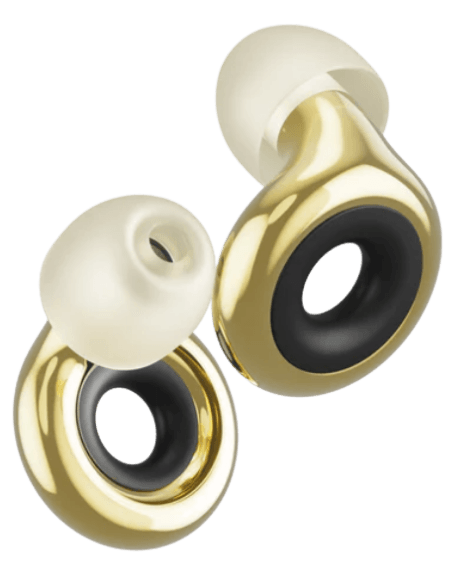
Loop Sound Dampening Ear Plugs
These reduce background noise while keeping speech clear. Three different models available. Helpful in noisy environments where following conversation is harder.
For More Learning: Aphasia Education and Support
If you want to understand what's happening and why, or connect with others who get it: these are the best places to start.
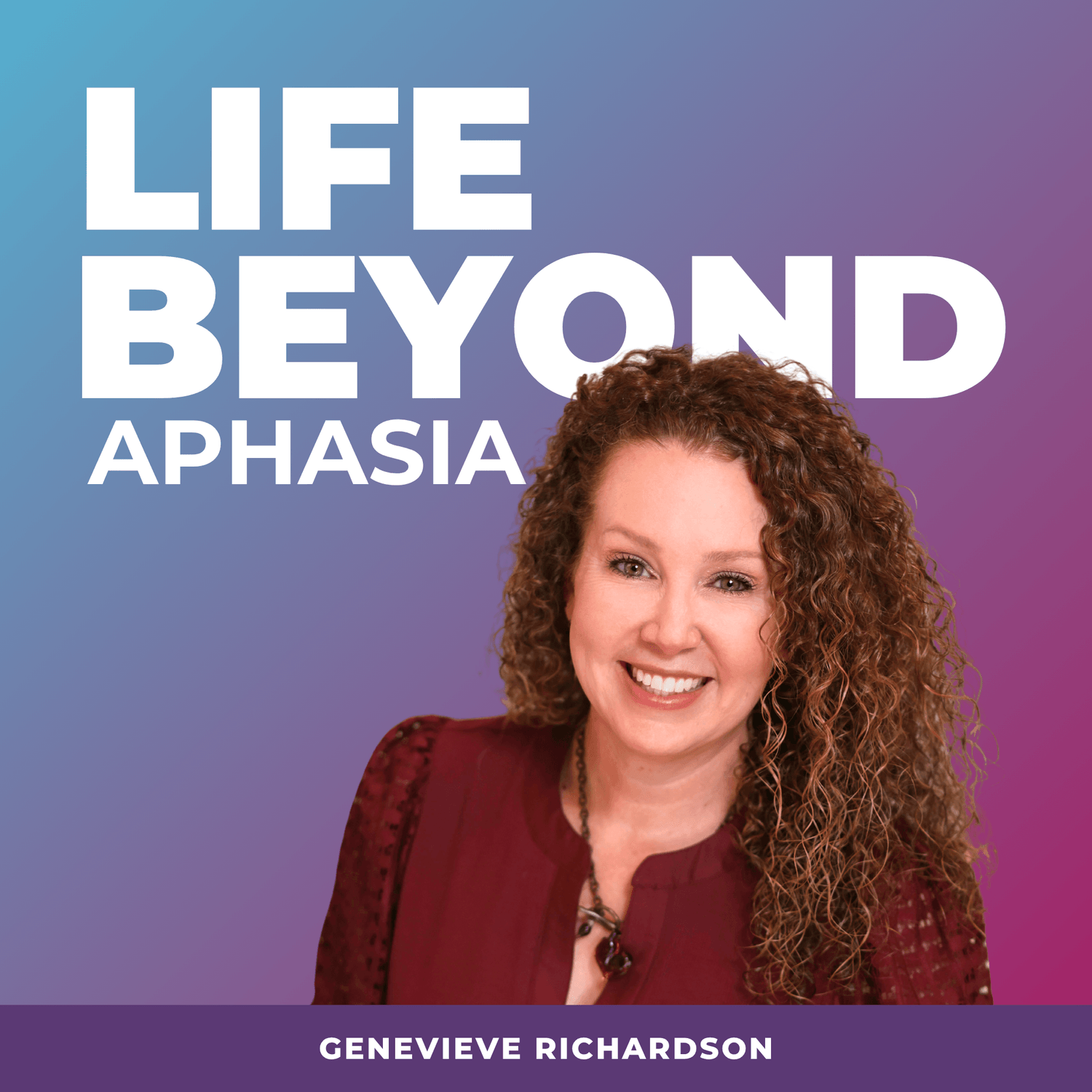
LIFE Beyond Aphasia Podcast
Hosted by LIFE Speech Pathology, this podcast covers aphasia recovery, communication strategies, and life after stroke. If you know the word aphasia, this podcast is for you.
Watch On YouTube | Or Subscribe Wherever You Listen To Podcasts
Virtual Aphasia Events
The National Aphasia Association (NAA) offers virtual events including support groups and educational sessions, free and open to survivors and families.
Stroke Buddies
A non-profit built by and for stroke survivors. They have live educational sessions every Tuesday, a vast YouTube library, and various private groups on Facebook.
Stroke Rehabilitation Resources
The American Stroke Association (ASA) has many great resources for all of your stroke rehab questions.
From Us: Free Aphasia Resources from LIFE Speech Pathology
These are our resources, built specifically for people with aphasia and the families who are in it with them.
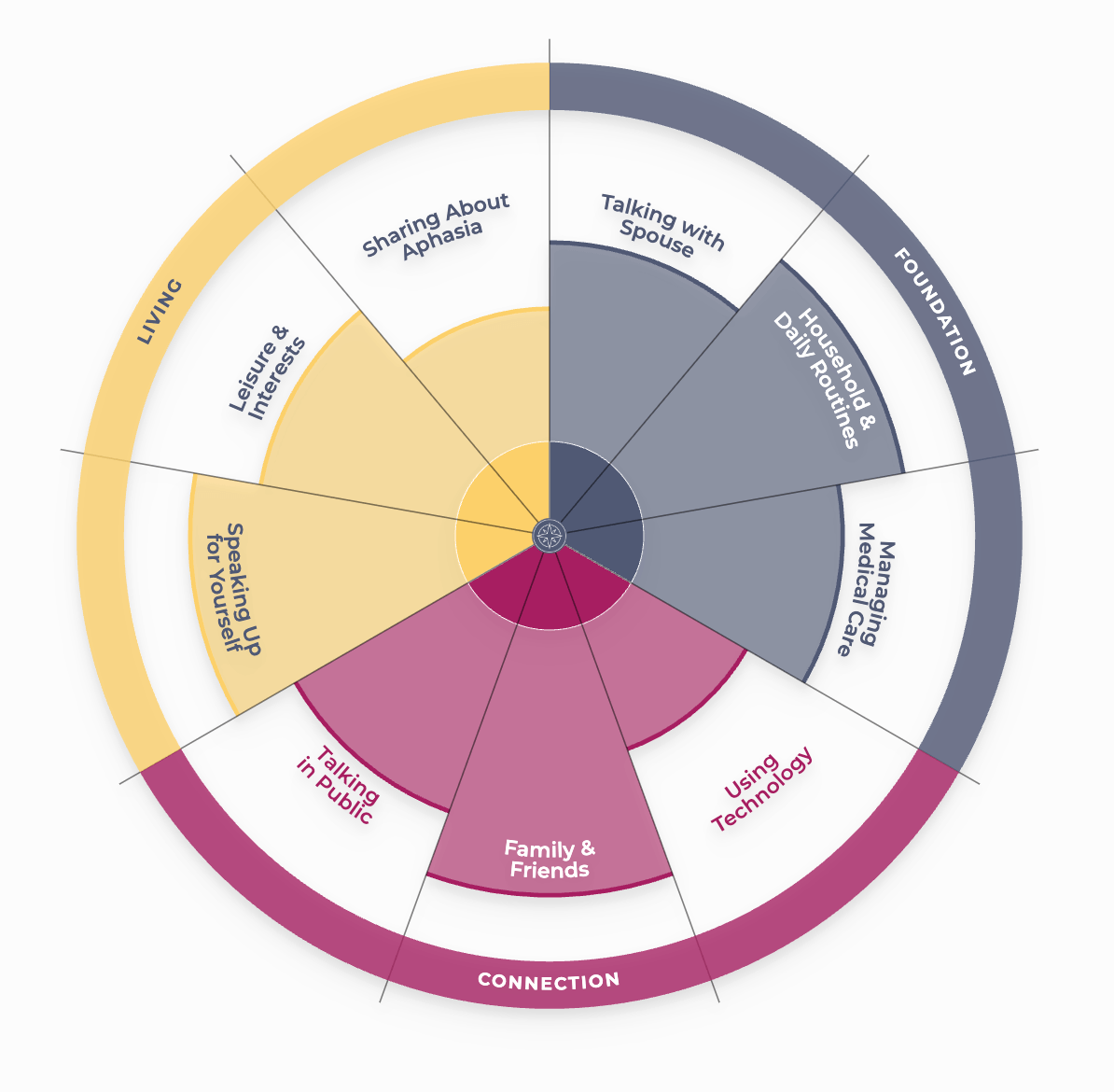
Aphasia Strengths Compass
Not sure where to start? The Compass gives you a clear picture of where you are right now and what your next step should be. You and your care partner can take it together. It takes about 15 minutes, and Genevieve reviews your results before you talk.
15-Minute Connection Call
A free call with Genevieve. No pitch. No pressure. Just an honest conversation about where you are and whether working together makes sense.
LIFE Beyond Aphasia Podcast
If you know the word aphasia, this podcast is for you. Find it on your favorite podcast platform.
Watch On YouTube | Or Subscribe Wherever You Listen To Podcasts
Some Of Our Favorite Episodes
Scroll through out some of our favorite episodes below, or watch them on our channel here.
© 2026 LIFE Speech Pathology, All Rights Reserved