You Deserve to Get Back to Living. Not Just Getting By.
When insurance rehab stops, real recovery begins. We provide specialized, private speech therapy for aphasia, PPA, and Parkinson's to give you and your family a clear path forward.
PRIVATE PAY | TELEPRACTICE | BUILT AROUND WHO YOU ARE
You know you're not done.
Maybe the sessions stopped. Insurance ran out, or the program ended, or someone told you that you'd plateaued and sent you home.
Or maybe you're still going, still doing everything asked of you, and it isn't getting you where you need to be. You can feel it.
Either way, you're sitting in a life that doesn't feel like yours. Not the one you had, not the one you want.
There's more available to you than what you've been offered.
We built this practice for exactly that.
Here's The Gap
Standard care was built to get you functional. It was never built to get you back to your life.
Rebuilding real life takes someone who truly gets it.
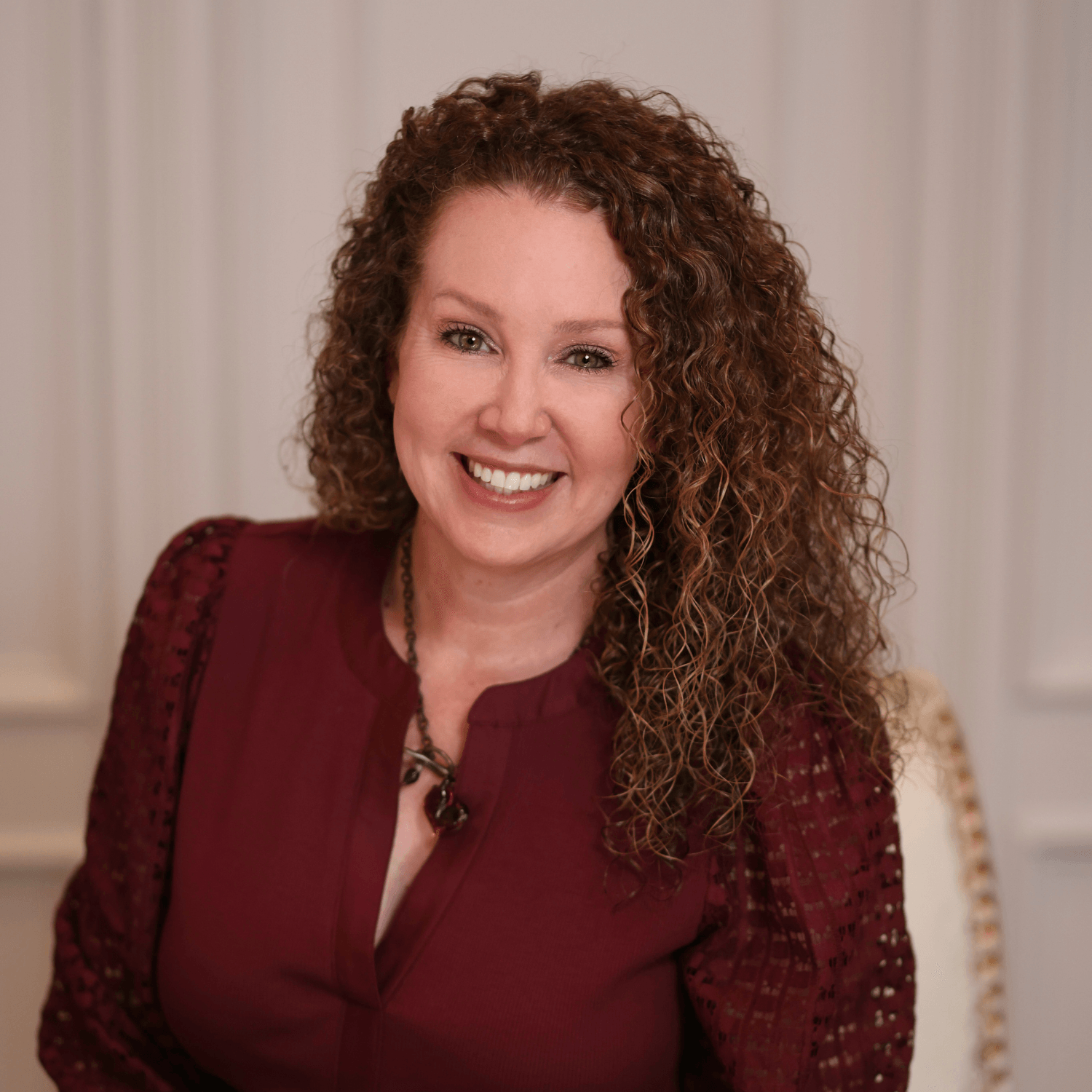
Genevieve Richardson
Founder, Speech Language Pathologist
Hi, I’m Genevieve.
Standard care has limits. Your life doesn't.
Whether you are rebuilding speech after a stroke or navigating a progressive condition like PPA or Parkinson's, you don't have to do it alone.
My mission is to give both you and your care partner a clear path forward to protect your communication, preserve your identity, and find real joy in everyday life.
Private 1-on-1 Speech Therapy: Personalized therapy built around your real household and goals, with care partners always welcome.
The Care Partner Collective: Dedicated education, tools, and community built specifically to support your care partner through every stage.
Because no two neurological conditions are the same, we’ve built dedicated pathways for each. Choose your focus below to explore your specific roadmap.
Find Your Path Forward
Select your focus below to explore our specialized programs, practical tools, and next steps.
Rebuild Life
Beyond Aphasia
Aphasia took your words, confidence, communication, and identity. You can rebuild toward a life of meaning and joy. You have strengths to build on and goals to achieve. See your path forward.
Caretaker to
Care Partner
Aphasia happened to both of you. Holding everything together feels overwhelming. Get the clarity and support you need to break down your overwhelm into clear parts so you know where to focus first.
A Plan Beyond the Diagnosis
Your doctor handed you a diagnosis, but not a plan to live through it. We help you build a proactive roadmap to communicate beyond words, preserve connection, and protect your life together.
Still You.
Still Strong.
Parkinson's changes impacts movement, voice, speech clarity and conversation flow long before care usually starts. Build a plan to stay confident and connected. Discover where to focus your speech and thinking.
Stories of Life Beyond Diagnosis
Real stroke survivors, care partners, and families who refused to accept standard limitations and
found their way back to connection.
"How can I begin to put in words what my time with Genevieve means to me. She gives me hope and positive goals to get me where I want be. Her positivity lifts me up when I get down on myself. With Aphasia this comes comes up out of the blue. If you are looking for a (speech) pathologist I can’t recommend a better specialist. I love this woman❤️❤️❤️"
JL, Survivor
“I want to express my gratitude, admiration and love for this wonderful group of support partners. With each session, I receive an enormous amount of emotional fuel and practical tips for the week ahead. Each one of [the members] has a unique place in my heart. This group is a rare opportunity to be open, honest and vulnerable. No judgement here. The Collective is a precious treasure I do not take for granted.”
DP, Care Partner
"We couldn’t be happier with the therapy we have received over the past year. After suffering a stroke my husband immediately started therapy, but after eight months there was little improvement. Two years later your practice was recommended to us during a visit to the neurologist. I had my reservations at first since it had been such a long time since the stroke and the previous therapy, but since starting with Genevieve, my husband has gone from not speaking at all to being able to talk in sentences in one year’s time! Genevieve is dedicated, kind, and caring, and someone who truly cares about every one of her patients."
LV, Care Partner
© 2026 LIFE Speech Pathology, All Rights Reserved