ABOUT LIFE SPEECH PATHOLOGY
Traditional Speech Therapy Was Designed For The Early Stages.
Get the basic function back. Meet the insurance benchmarks. Discharge when goals are met.
It was the right place to start, but it was never designed to take you where you actually want to go––back to your work, your relationships, your life. And the full version of it.
That is where we start.
LIFE Speech Pathology® is a 100% telepractice speech-language pathology practice founded by Genevieve Richardson, MS, CCC-SLP, with 32 years of clinical experience. We specializes in chronic aphasia and Parkinson's communication, serving adults and care partners across the United States.
Meet Genevieve
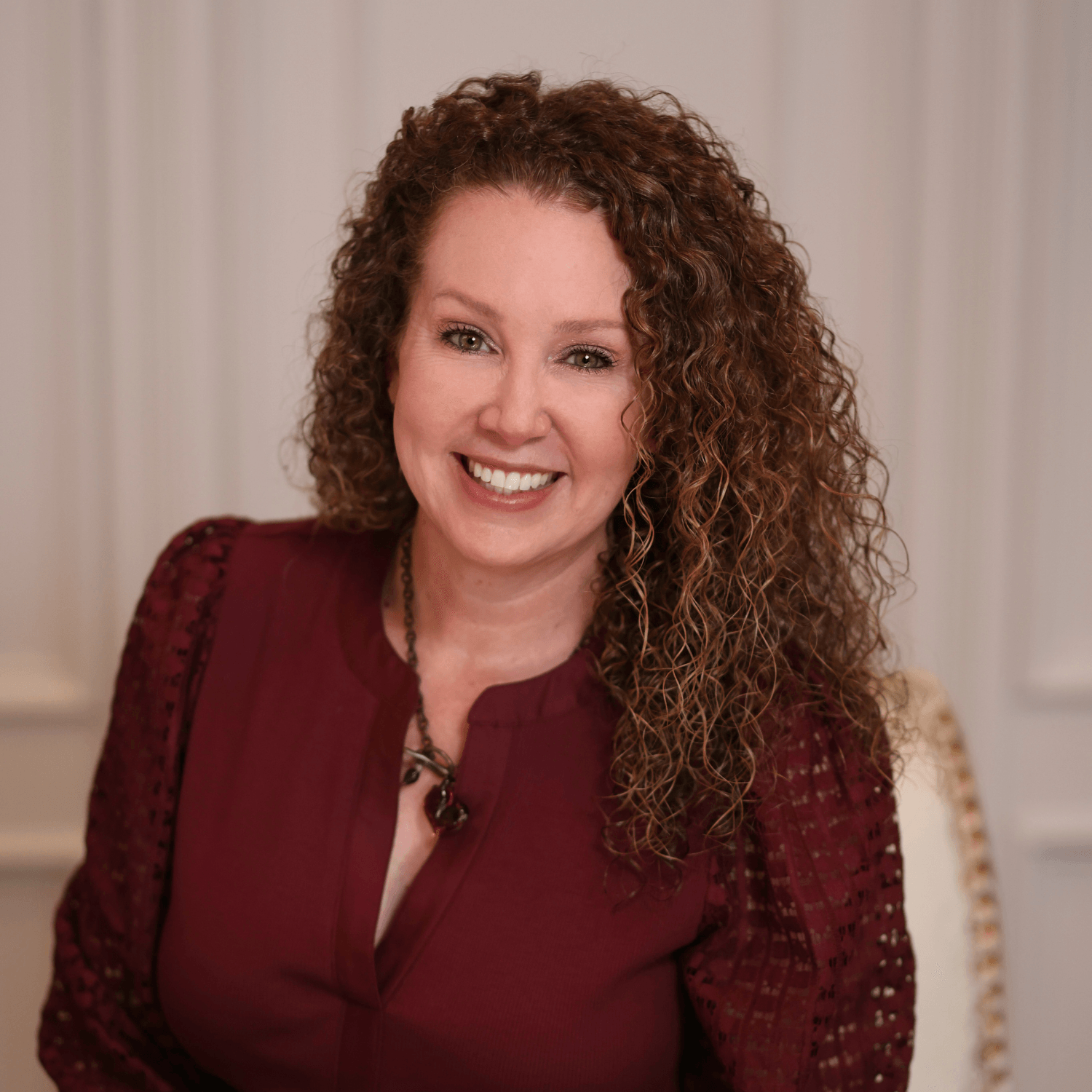
Genevieve Richardson has been doing this work for more than 31 years. The last 15, exclusively with aphasia.
She has been in the room with surgeons who couldn't get through a sentence. CEOs who went from running divisions to staying silent in meetings. Men who built careers on their ability to communicate and found themselves letting other people speak for them. Men who were not broken, but simply underestimated.
She has never believed in the ceiling because she's watched people prove it wrong, over and over. When given the right approach, the right roadmap, and someone who actually sees who they are, recovery never stops.
Genevieve is based in Austin, Texas and works with clients nationwide via telehealth. She has received ASHA's ACE Award five times, is certified in SPEAK OUT! and LSVT LOUD, and is the host of the LIFE Beyond Aphasia Podcast and a published author.
She does not take every client, she takes the right ones. People who are ready to do the work, and whose potential the system has underestimated.
What Makes Us Different?
This is not a traditional speech therapy practice.
We work on the conversations that actually matter––with your wife, your colleagues, your grandkids. We work on the life aphasia interrupted, not a clinical approximation of it. And we do that work with both of you, because you are not rebuilding alone, and the person next to you has been trying to find her way back too.
"When I found LIFE Speech Pathology, I was back at work but just barely. I was the lowest supervisor in the division I used to run. I stayed quiet in meetings. I let other people talk for me. I was embarrassed, and I pushed my wife away because of it. Ten months later I had earned two promotions. I was cooking again, entertaining, traveling with my wife. I was leading again. I did not think any of that was possible anymore."
––KC, Survivor
"She saw him for who he truly is: a strong, intelligent, proud man who just needed the right guidance. Genevieve didn't just help Ralph rebuild his speech. She helped us rebuild our hope and our life together."
––R.V., Spouse
"Before I started working with Genevieve, I felt lost and very alone with my aphasia. It had been three years since my stroke. Now I'm able to finish more sentences without searching for words. I've learned to advocate for myself. I've even gained the confidence to look people in the eye when I'm talking."
––C.C. Survivor
Recovery takes a village.
These are the people who walk beside you.
Genevieve Richardson, MS, CCC-SLP
Founder, LIFE Speech Pathology® & LIFE Beyond Aphasia
Genevieve Richardson, MS, CCC-SLP, works exclusively with people living with chronic aphasia and the families who love them, via telepractice.
Her work lives at the intersection of communication, identity, and what life actually looks like after rehab ends. She is the founder of LIFE Speech Pathology® and the Life Beyond Aphasia brand, including a YouTube channel and podcast for the aphasia community.
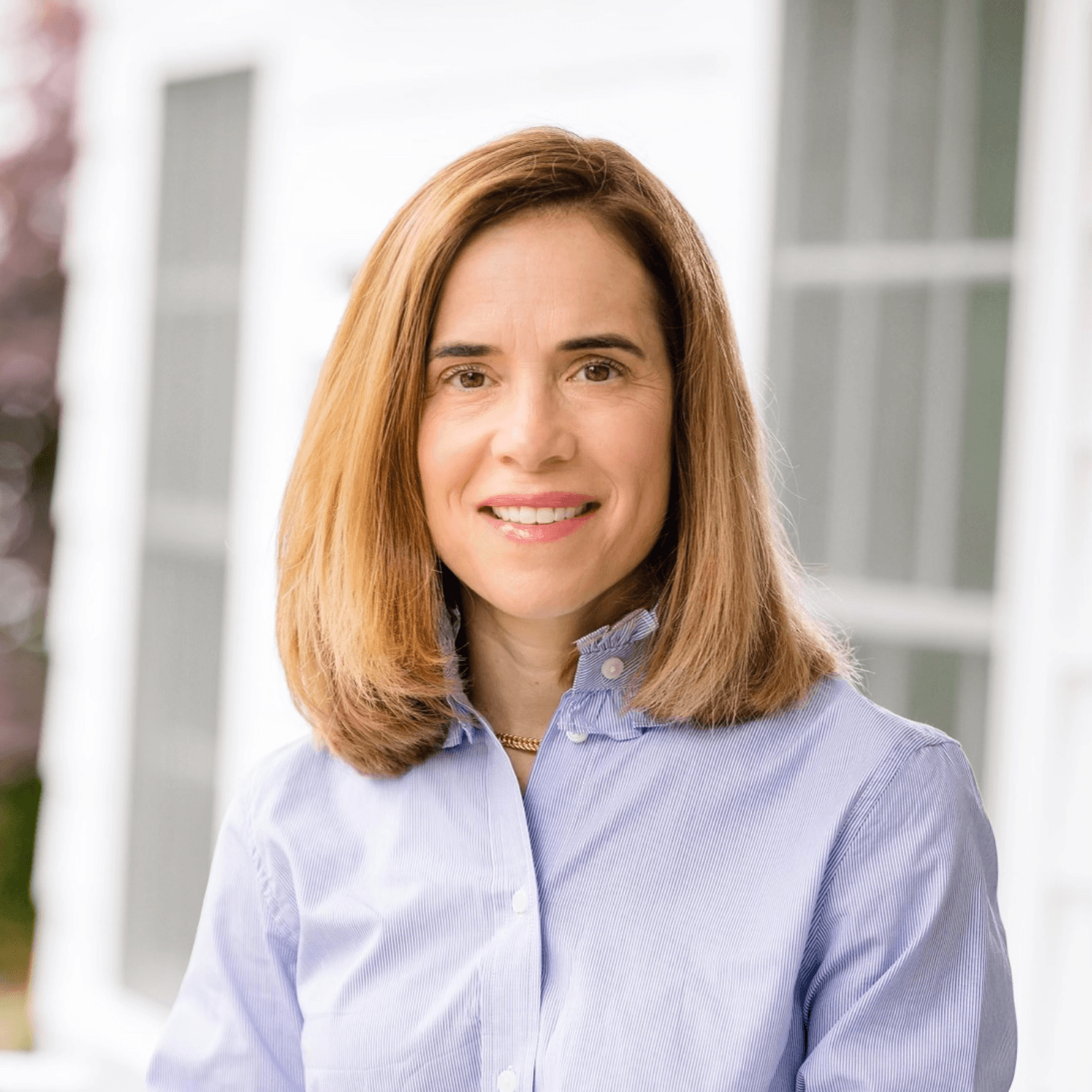
Mary Beth Hines, MS, CCC-SLP
Clinical Specialist, LIFE Speech Pathology
Mary Beth came to speech pathology as a second career. She chose it deliberately, specifically to work with adults. That choice says everything about who she is as a clinician. She is compassionate, steady, and deeply committed to helping adults and families navigate the complexities of aphasia. She did not land here by accident. She came because she felt the mission.
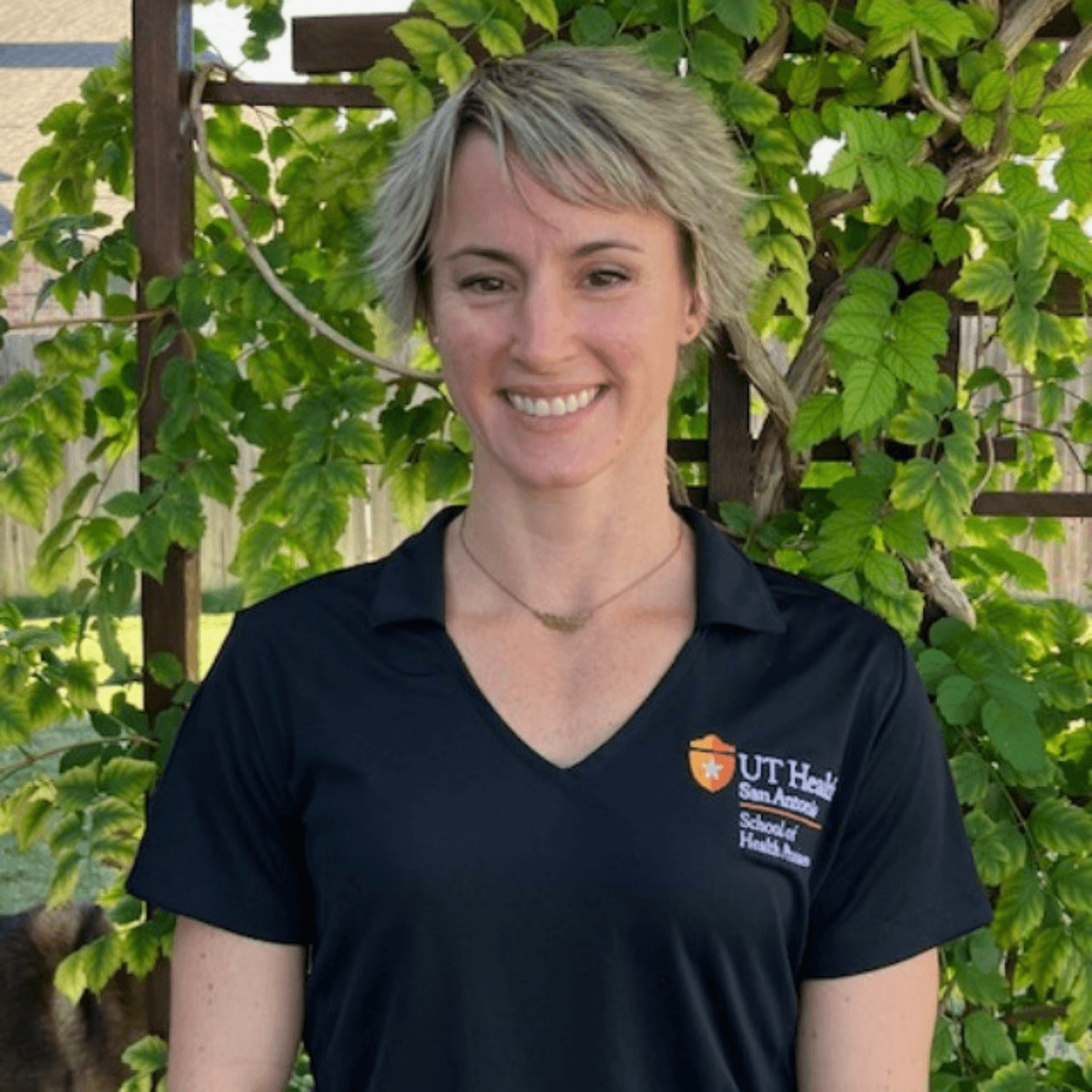
Gina Baxter, MS, CCC-SLP
Clinical Specialist, LIFE Speech Pathology
Gina also came to speech pathology as a second career. Her grandmother inspired her to do this work. She arrived knowing exactly where she wanted to be: working with adults, walking alongside families, and being part of something bigger than a caseload. She joined LIFE because she believed in what it stands for. That shows in every session.
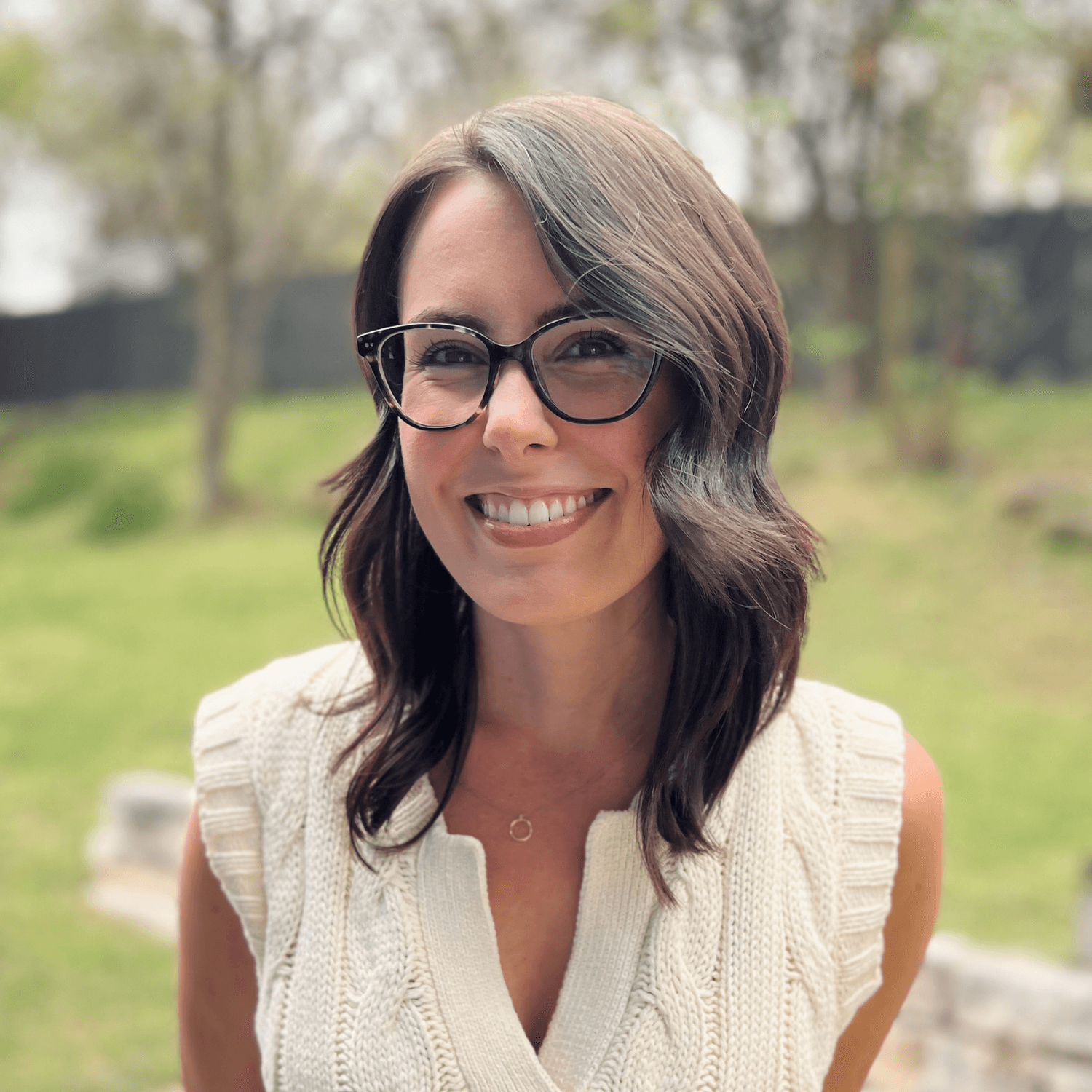
Stephanie Yates
Director of Strategic Operations
Stephanie has a background in nursing and a gift for building systems that let everyone around her do their best work. She found her way to LIFE through a trusted colleague in the dementia care space and has been part of this team for nearly three years. She oversees operations, social media, and outreach and keeps all of us moving forward together toward the mission. Because of her, the work gets done and families never feel lost in the process.

Autumn Stokes
Communication Coordinator
Autumn has a personal connection to aphasia that makes her more than a team member. She understands what families are living with because she has lived alongside it herself. She edits and refines every piece of communication we produce, manages our Facebook communities, and leads the Care Partner Collective week to week. When care partners show up looking for someone who gets it, Autumn is often the first person they find. She makes sure this community actually feels like one.
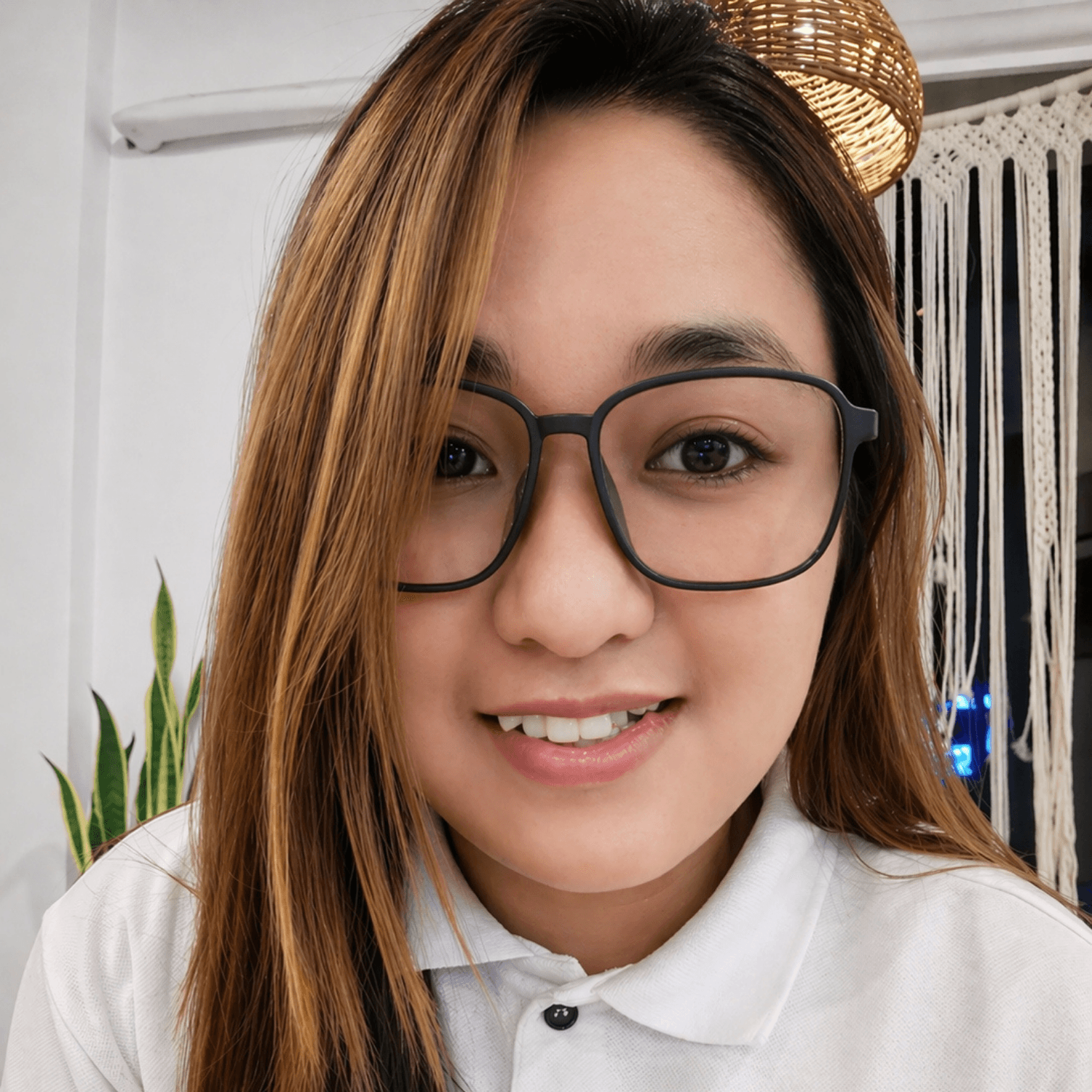
Issa Dizon
SEO and Outreach Strategist
Issa works at the level most people never see, making sure the right families find LIFE when they need it most. Her expertise in SEO and digital strategy is how this mission reaches beyond the people who already know we exist. This is not just a speech therapy practice. It is a movement, and Issa is the one making sure that message travels.
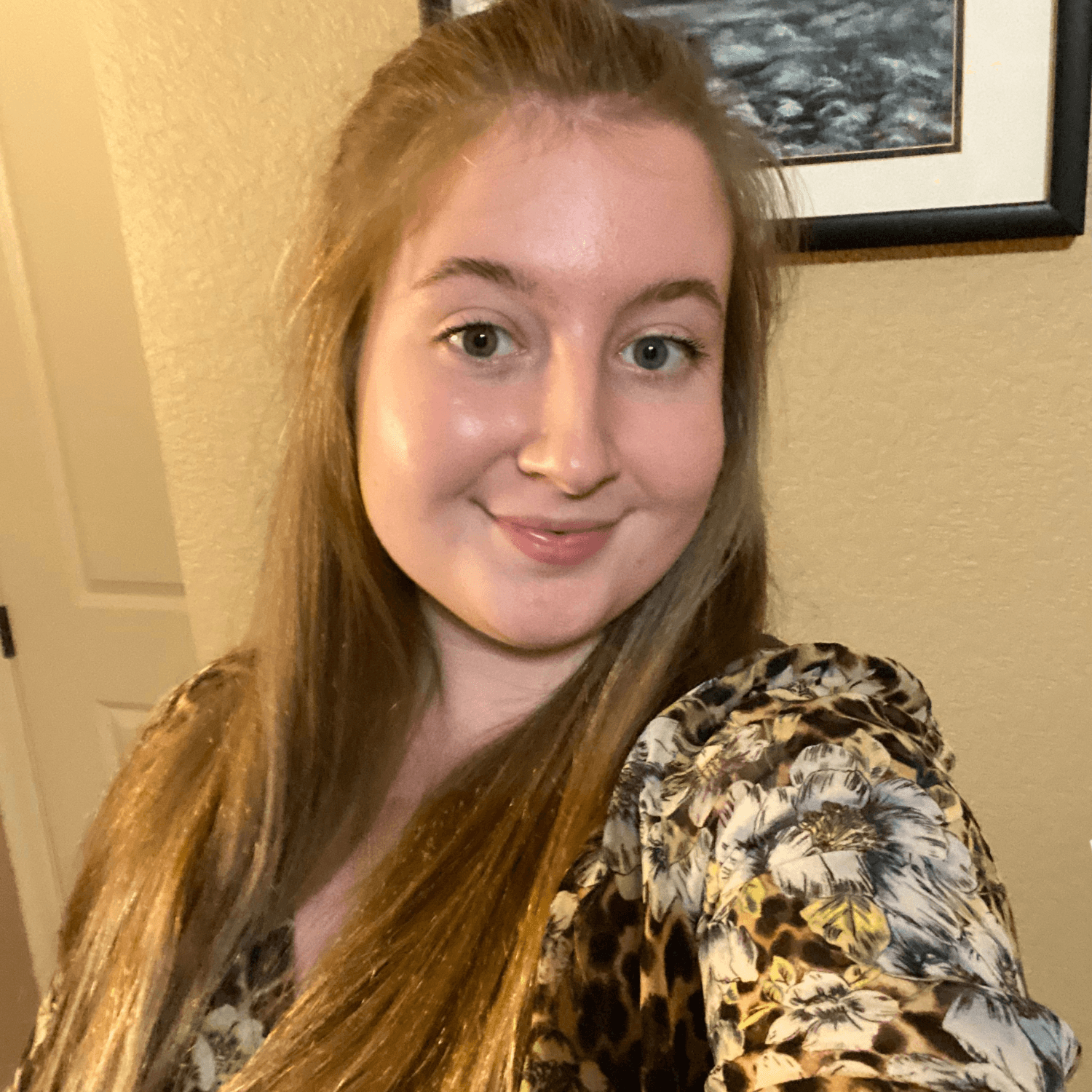
Lana Richardson
Podcast Production Manager
Lana manages production of the Life Beyond Aphasia YouTube channel and podcast, shaping nearly 200 episodes so that families receive clear, usable guidance they can apply right away. She is the reason our message reaches people who have never heard of LIFE but needed it all along.
Common questions families ask.
Most speech therapy for aphasia starts with what you've lost. We start with who you are.
We are not interested in what aphasia took. We are interested in what you have, your strengths, your communication patterns, what matters most to you, and what your life actually needs to look like. That is where we begin. From there, we build a program directly around you. Not a protocol, not a worksheet stack, not the same plan every aphasia speech therapist hands to every client.
In the first phase of working together, we focus on communication at home. With your spouse. With your kids. With the people closest to you. That is where the silence lives, and that is where we start. From there we expand. But we never move forward without a foundation that is actually working.
We also work on who you are, not just what you say. Grief is real in chronic aphasia. So is the question of identity. Those things are part of the work here, because you cannot rebuild communication without rebuilding the person doing the communicating.
Yes. This is actually where we specialize.
Most speech therapy for aphasia is designed for the acute phase, the months right after a stroke when the system has you and the progress is fastest. Chronic aphasia, the aphasia that is still there a year out, two years out, five years out, is a different clinical picture entirely. Different patterns. Different needs. Different goals.
By the time most of our clients find us, they know exactly what is not working. They have lived with aphasia long enough to feel the gap between where their communication is and where their life needs them to show up. That gap is not a dead end. It is actually where the most meaningful work happens. We have been working exclusively in chronic aphasia for 12 years, and we are not done finding what is possible.
For the right person, yes, and the research backs that up.
We have been delivering online speech therapy for aphasia for 12 years, long before telepractice was common. What working online does is remove geography as a barrier. You no longer have to work with whoever happens to be closest to you. You get to work with an aphasia speech therapist who specializes in exactly what you are dealing with, wherever you live.
That said, we are honest about fit. Online therapy works best for people who are motivated, who are ready to do the work, and who can learn some basic technology skills, even with aphasia. We will make absolutely sure you are the right fit before we ever start. We are not in the business of pulling people into therapy who are not ready for it. This only works when you want it to.
We work with all major aphasia types. Broca's aphasia, Wernicke's aphasia, anomic aphasia, global aphasia, conduction aphasia, transcortical motor aphasia, transcortical sensory aphasia, and Primary Progressive Aphasia. We also work with people who have right hemisphere stroke and Parkinson's communication challenges.
What cuts across all of it is this: whatever the diagnosis, the goal is communication, connection, and agency. You being able to show up in your own life, advocate for yourself, and do the things that matter to you. That is the foundation of everything we build, regardless of where you are starting from.
It is the first step we ask everyone to take before a connection call.
The Compass looks at nine areas of aphasia recovery, areas we identified over 32 years of clinical practice and specifically the last 12 years working exclusively in chronic aphasia. It is built around our clinical roadmap, which reflects what people at this stage actually need, not what the textbook says about early recovery.
It takes about 15 minutes. And what it gives you is a clear picture of where you are strong and what we have to build from. That is not a small thing. Most people in chronic aphasia have spent years being told what they cannot do. The Compass starts somewhere different.
From there, we use what you share to make our connection call actually useful. Not a general intake, but a real conversation about your situation and what comes next.
We work best with people who are done settling.
Typically that is someone between 45 and 65 who built a life they were proud of, did the rehab, made real progress, and is still here because what they got was not enough. Not for a life like theirs. They have a spouse who is fighting alongside them. They are motivated. And they are ready for speech therapy for aphasia that actually meets them where they are, not where the protocol expects them to be.
If you are still in the acute phase, recently discharged, just starting out, we may not be the right fit yet, and we will tell you that honestly. But if you are in chronic aphasia and you are not willing to let it write your ending, you are exactly who we built this for.
© 2026 LIFE Speech Pathology, All Rights Reserved